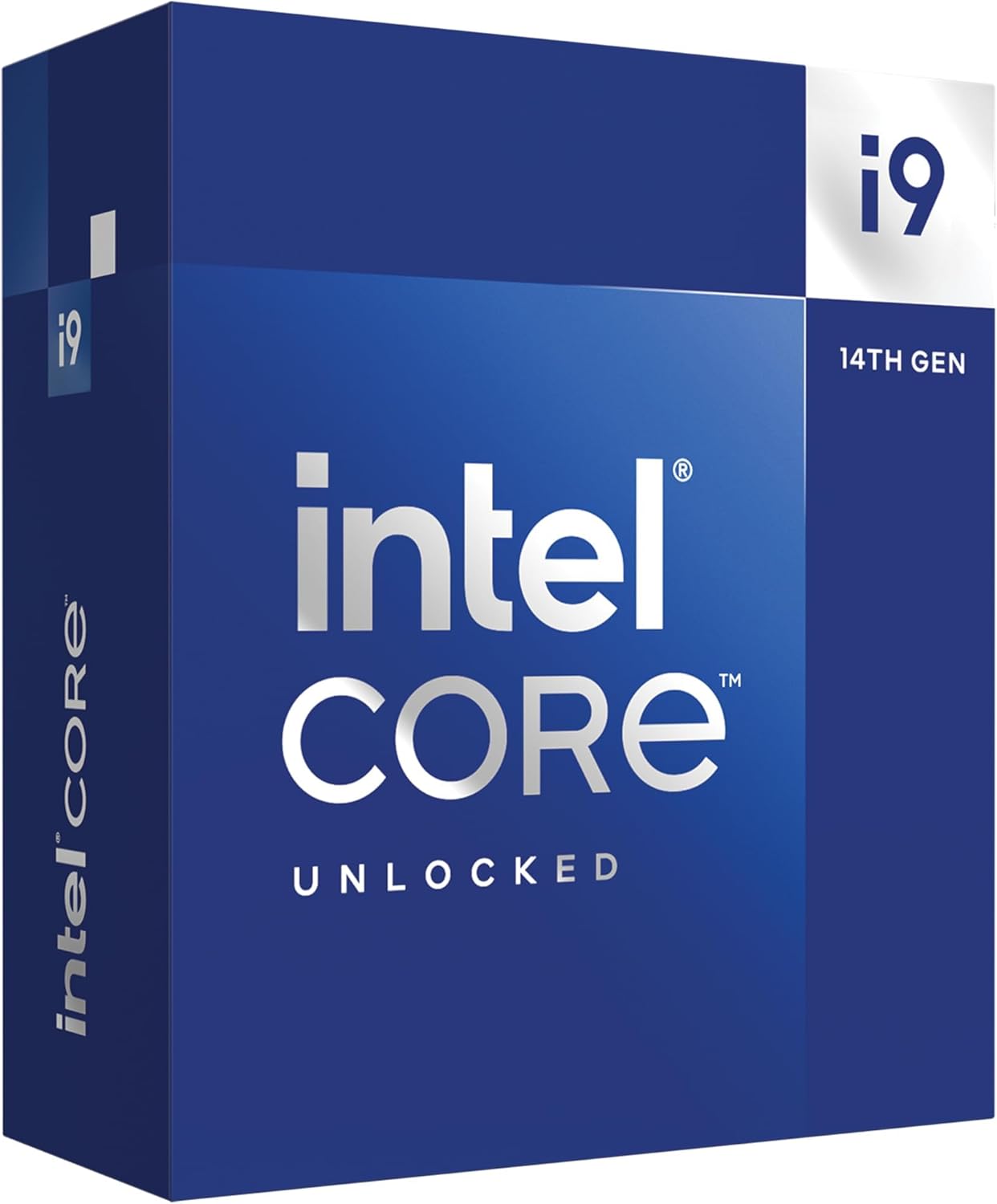
Intel is one of the most well-known and respected companies in the computer hardware industry. Their CPUs (Central Processing Units) have been at the heart of many computers for decades. In this article, we’ll take a look at the history of Intel CPUs, their evolution over the years. We’ll also go into the naming convention they use to identify their products.
Early Days: 8088 and 286
Intel’s first CPU, the 8088, was released in 1979 and quickly became a popular choice for computer manufacturers. This was followed by the 286 processor in 1982, which introduced the ability to run multiple tasks simultaneously.
Pentium Era: 486, Pentium, and Centrino
The 486 processor was released in 1989 and marked a significant improvement in performance compared to its predecessors. The Pentium processor launched in 1993 and became known for its high clock speed
and power efficiency. The Centrino brand was introduced in 2000. Centrino combined the Pentium processor with a wireless network card and battery pack, creating a mobile computing solution.
Core Series: Pentium D, Core i3, i5, and i7
The Core series of processors launched in 2006. This represented a major shift in CPU design. The Core i3, i5, and i7 processors offered improved performance and power efficiency compared to their predecessors, and the “i” in the name indicated that they were part of the Intel Core family. Eventually the i9 came out in 2017.
Naming Convention
Intel uses a specific naming convention for its CPUs. This can be confusing to those who are not familiar with it. Here’s a breakdown of what each component of the CPU name means:
- i: Indicates that the processor is part of the Intel Core family
- X: Represents the number of cores or processing units included in the
CPU - G/GHz: Reflects the clock speed (measured in GHz) of the CPU
- M/MHz: Represents the bus speed (measured in MHz) of the CPU
- H/Hybrid: Indicates whether the CPU is a hybrid (H) or not
- E/Exotic: Reflects the number of execution units included in the CPU (E)
or not - F/Freq: Represents the CPU’s frequency (measured in Hz)
- T/Thermal: Indicates the thermal design power (TDP) of the CPU, which is
a measure of how much heat the CPU can produce - U/Ultra: Indicates that the CPU is an ultra-low voltage processor
- D/Dual: Reflects whether the CPU has two cores or not
Conclusion
Intel’s CPUs have been at the forefront of computer hardware for decades, and their naming convention has become a standard in the industry. By understanding the history and evolution of Intel CPUs, as well as their naming convention, you can make informed decisions when choosing a CPU for your next build or upgrade. Whether you’re a gamer, content creator, or everyday user, there’s an Intel CPU that’s right for you! 💻
We hope this blog post helps you understand the history and evolution of Intel CPUs, as well as their naming convention. If you have any questions or feedback, feel free to send an email! 😊
For more posts, please visit PCFinder.Net!